A closer look at nerve function.
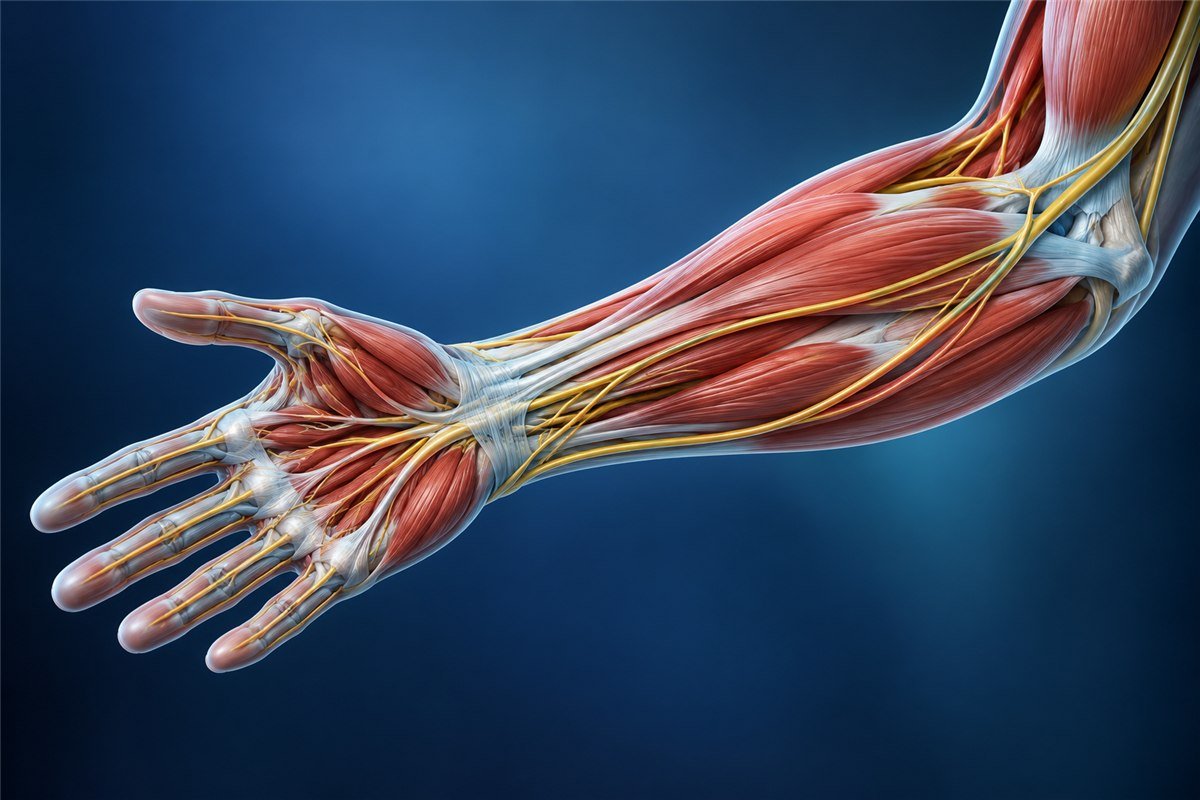
NCS evaluates how electrical signals travel through peripheral nerves. It can help investigate suspected nerve damage or dysfunction.
When may NCS be recommended?
- Peripheral neuropathy
- Carpal tunnel syndrome
- Nerve compression
- Diabetic neuropathy
- Nerve injury and trauma
Your clinician decides whether this test is appropriate. Results are interpreted alongside symptoms, examination and other investigations; a test alone does not establish every diagnosis.
What happens during the test?
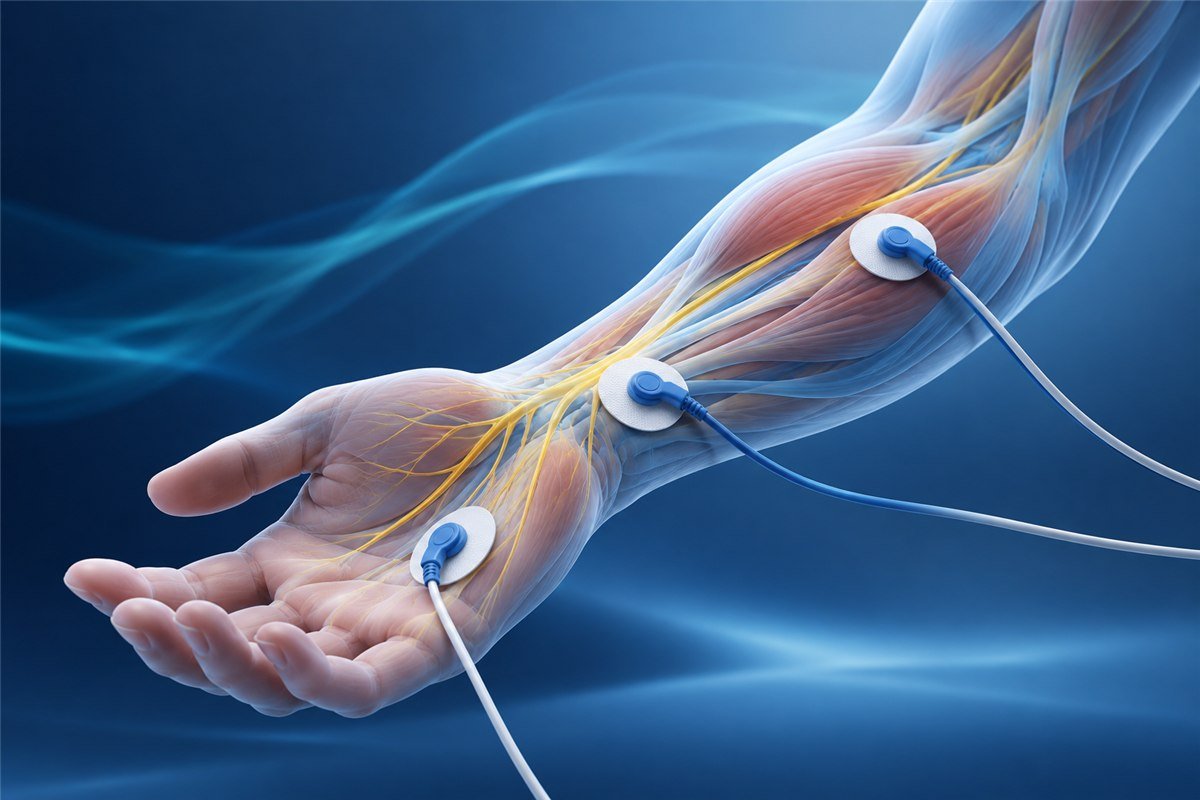
Recording sensors are placed on the skin. Brief electrical pulses stimulate selected nerves while their responses are measured. The pulses can feel uncomfortable and may cause a small muscle twitch.
Is NCS the same as EMG?
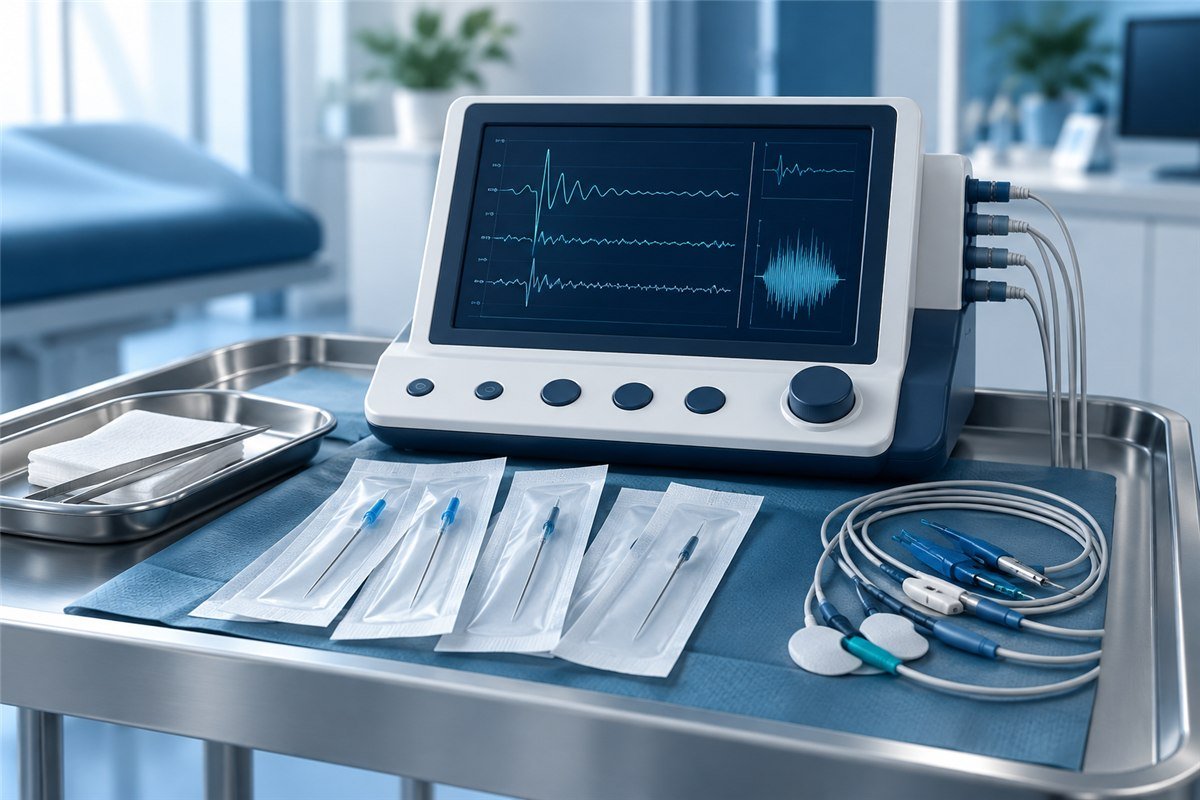
No. NCS measures nerve signals using surface sensors; needle EMG records muscle electrical activity. They may be performed together or separately, depending on your symptoms.
How should I prepare?
Wear loose clothing and avoid skin creams on the areas being tested. Tell the clinic about implanted cardiac devices and relevant medical conditions. Follow your individual instructions and do not change medicines without advice.
How long does it take and when are results available?
The duration depends on the nerves tested and whether EMG is also required. Contact the clinic for appointment length and arrangements for reviewing the results.
Patient information: NHS — nerve testing, North Bristol NHS Trust — NCS & EMG.